

Where Is Virginia?

About the Book

Dive into the history, geography, and culture of Virginia in this installment of the 50 States series. From major cities to historic events, Where Is Virginia? introduces you to the state in a whole new way, whether you’re proud to call it home or learning about a distant destination.

Visit landmarks like the Pentagon. Meet famous figures like the country’s first president, George Washington. Read about Indigenous groups such as the Potawatomi people, who have lived in the region for thousands of years. Fans of sports, nature, and weird facts will all find something to love about the home of a world-famous herd of wild ponies. Readers will also meet important Americans such as Booker T. Washington and Ella Fitzgerald.

Including timelines, black-and-white illustrations, and a fact-filled “At a Glance” section, this book has everything you need to know about the heritage, development, and present day of Virginia.
Read more
Close
Close
Excerpt

Where Is Virginia?

Where Is Virginia?

It was December 1606. More than one hundred men and boys climbed aboard three ships—the Susan Constant, the Godspeed, and the Discovery—and set sail from London. They were headed to a place they believed would bring great opportunity—what would one day be the United States.

King James I of England wanted to set up a colony (an area that would be controlled by England) in America. The English believed they would find gold and silver there and wanted to spread Christianity, their religion. They also hoped to find the Northwest Passage, a sea route westward from the Atlantic Ocean to the Pacific Ocean. This route would enable them to trade with Asia.

King James I did not want to risk losing money if the colony failed. So, he formed the Virginia Company of London. Wealthy men paid money to own parts of the company, which the settlers would use to start the colony. Once the colony was successful, the men would get their money back (plus more).

On April 26, 1607, after four months of sailing, the three ships pulled into what we now call the Chesapeake (say: CHESS-uh-peek) Bay. The settlers chose a marshy peninsula (a piece of land surrounded by water on three sides) as the site of their new colony. They traveled fifty miles up a river from the bay, which they named the James River. They picked a spot they could easily defend if the Spanish (who already had colonies in what is now Florida) attacked.

The colony was called James Fort. Eventually, it was renamed Jamestown. Jamestown became the first permanent English colony in North America, and it is still a part of the state of Virginia today.

Who HQ: The 50 States Series

Where Is Minnesota?
Where Is South Carolina?
Where Is Alabama?
Where Is Massachusetts?
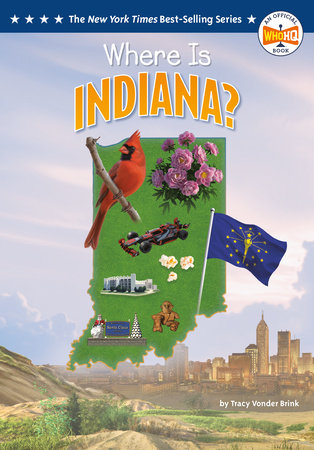
Where Is Indiana?
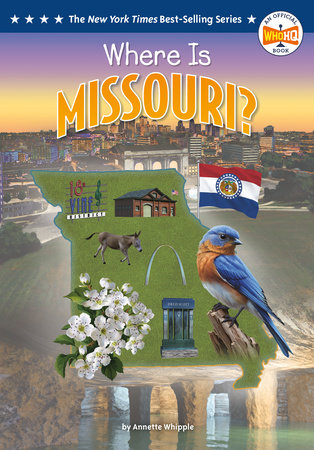
Where Is Missouri?
Where Is Maryland?
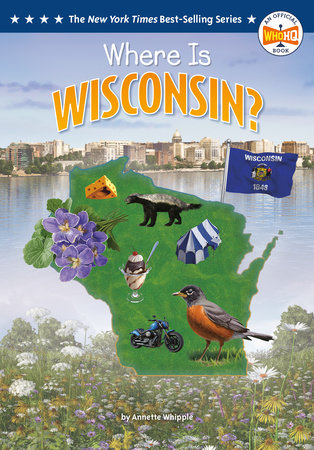
Where Is Wisconsin?
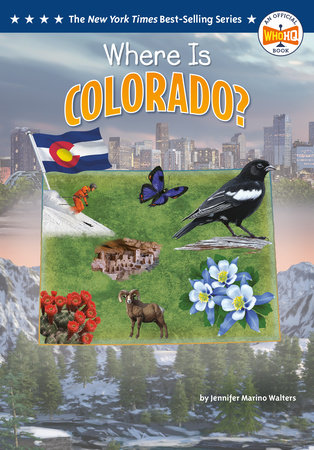
Where Is Colorado?
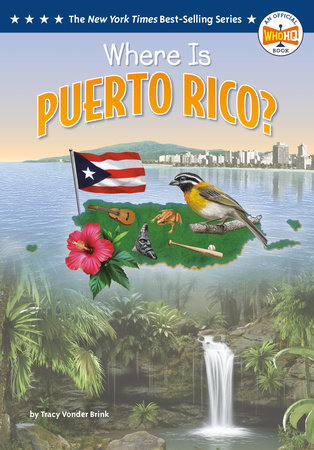
Where Is Puerto Rico?
View more

About the Author

Jennifer Marino Walters
Decorative Carat

About the Author

Who HQ
Who HQ is your headquarters for history. The Who HQ team is always working to provide simple and clear answers to some of our biggest questions. From Who Was George Washington? to Who Is Michelle Obama?, and What Was the Battle of Gettysburg? to Where Is the Great Barrier Reef?, we strive to give you all the facts. Visit us at WhoHQ.com More by Who HQ
Decorative Carat

About the Author

Ted Hammond
Who HQ is your headquarters for history. The Who HQ team is always working to provide simple and clear answers to some of our biggest questions. From Who Was George Washington? to Who Is Michelle Obama?, and What Was the Battle of Gettysburg? to Where Is the Great Barrier Reef?, we strive to give you all the facts. Visit us at WhoHQ.com More by Ted Hammond
Decorative Carat

By clicking submit, I acknowledge that I have read and agree to Penguin Random House's Privacy Policy and Terms of Use and understand that Penguin Random House collects certain categories of personal information for the purposes listed in that policy, discloses, sells, or shares certain personal information and retains personal information in accordance with the policy. You can opt-out of the sale or sharing of personal information anytime.

Random House Publishing Group